


 Laptop Computers
 Desktop Computers
 Printers
 Network
 Software
 Laptop Accessories
 Laptop Components
 Office
 Desktop peripherals
 Server


Hurry and get discounts on all Apple devices up to 20%
Sale_coupon_15
KSh5,000.00 excl. VAT
Payment Methods:

If your HP 2000 has a cracked, blank, flickering, or distorted display, replacing the screen can restore clear visuals and full functionality. A damaged screen affects productivity, comfort, and usability, but with the right replacement panel and careful installation, your laptop can look and perform like new again.
This guide walks you through the screen replacement process, signs you need a new screen, tools required, and helpful tips to ensure the replacement is done correctly.
Your HP 2000 may need a new screen if you notice:
Cracks or visible physical damage
Blank or black display when the laptop is powered on
Flickering or unstable image
Vertical or horizontal lines across the screen
Dark spots, dead pixels, or color distortion
Dim brightness even at full setting
If your laptop works normally with an external monitor connected but the internal screen shows issues, the display panel is likely the problem and needs replacement.
The HP 2000 series generally uses:
Display size: 14-inch or 15.6-inch (varies by model configuration)
Resolution options:
HD (1366 × 768)
Full HD (1920 × 1080) on some models
Panel type: LED backlit LCD
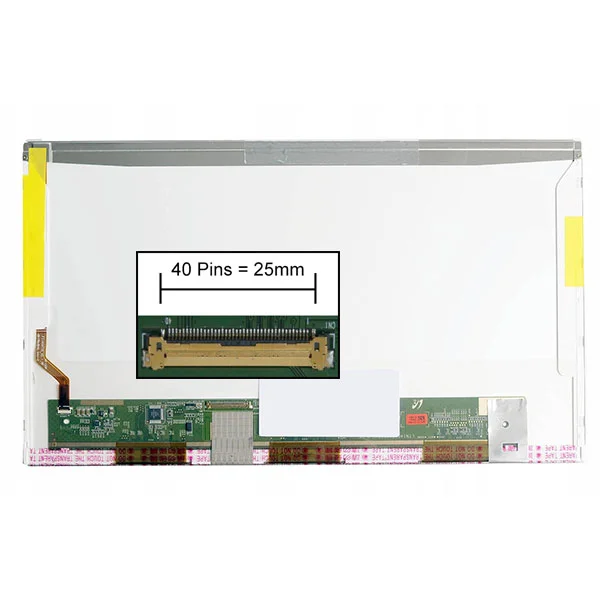
Connector: Standard eDP or LVDS display cable
Before ordering a new screen, confirm:
Exact screen size
Resolution requirement (HD or Full HD)
Connector type and position
Incorrect screens may not display properly or may not fit correctly.
To safely replace the screen, gather:
Small Phillips screwdriver
Plastic pry tool (spudger)
Tweezers (optional)
Clean, flat workspace
Soft cloth to protect the screen
Avoid using metal tools directly on plastic bezels to prevent damage.
⚠️ Safety first: Turn off the laptop and disconnect the power adapter before beginning the replacement.
Shut down the laptop completely
Unplug the AC adapter
Remove any connected devices (USB, ethernet, etc.)
Disconnecting power protects internal components during the repair.
Open the laptop lid fully
Insert a plastic pry tool between the screen bezel and frame
Gently work around the edges to unclip the bezel
Be patient and work slowly — improper prying can break the bezel clips.
Locate the screws holding the display panel
Remove them one by one
Tilt the screen forward carefully
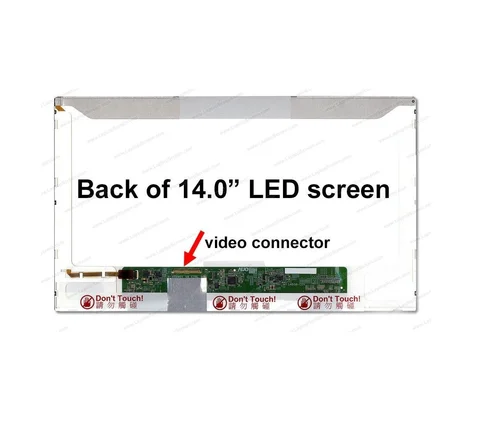
Find and disconnect the display video cable from the back
The video cable is delicate — do not force or pull hard.
Align the replacement screen with the frame
Connect the display cable securely to the new panel
Make sure the cable is fully seated without bending or damaging it
A proper connection prevents flickering or no-display issues.
Screw the replacement panel back into the mounting points
Press the bezel back into place until all clips snap in securely
Make sure the bezel sits flush with no gaps
Plug in the power adapter
Power on the laptop
Confirm clear and stable screen output
If the display works properly with no distortion, the replacement was successful.
At Lansotech Solutions, we provide:
** high-quality compatible replacement screens**
Expert installation and testing
Fast turnaround, often same-day service
Warranty support on parts and workmanship
Device checks before and after installation
Professional installation reduces the risk of rail damage, loose connections, or future display problems.
To get the most from your new screen:
Clean with a soft microfibre cloth (no harsh chemicals)
Avoid pressing directly on the screen surface
Keep liquids away from the keyboard and display edges
If brightness or color issues arise, return for inspection
Proper care improves longevity and performance.
No account yet?
Create an Account










 ASUS
ASUS