







What Is a Thermal Printer and Why You Need One in 2026
In today’s fast-paced digital economy, businesses need printing solutions that are fast, reliable, and cost-effective. One technology that continues to dominate retail, logistics, healthcare, warehousing, and e-commerce is the thermal printer.
But what is a thermal printer, and why is it becoming even more important in 2026?
This guide explains everything you need to know about thermal printers, how they work, their benefits, and why they remain one of the smartest investments for modern businesses.
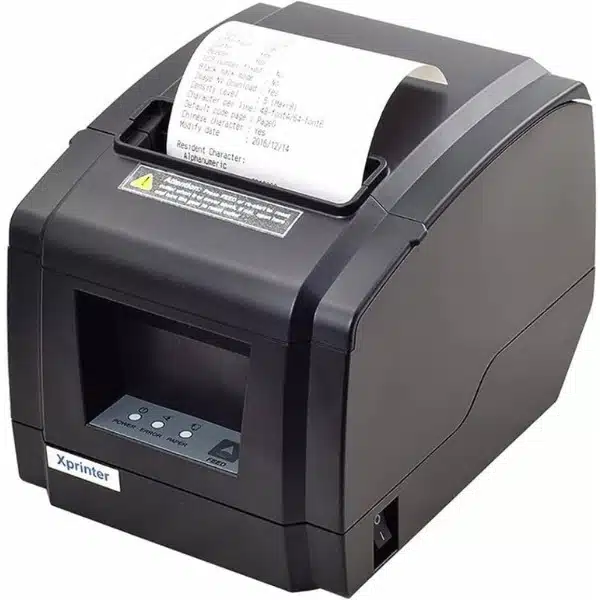
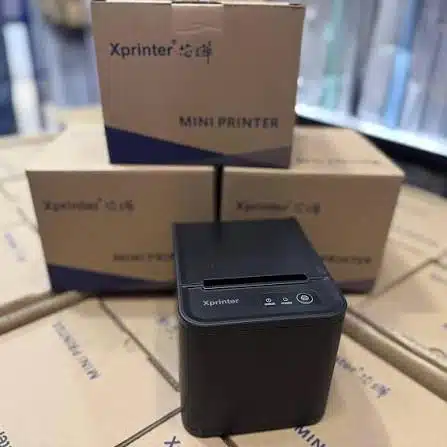
A thermal printer is a type of printer that creates images, text, barcodes, and labels using heat instead of traditional ink or toner.
What Is a Thermal Printer?
Unlike inkjet and laser printers, thermal printers use a specialized print head that applies heat to thermal paper or thermal ribbons, producing clear and durable prints.
Because they require fewer consumables, thermal printers are widely used for:
- Receipts
- Shipping labels
- Product labels
- Barcode printing
- Medical records
- Tickets
- Warehouse management
How Does a Thermal Printer Work?
Thermal printers operate using one of two technologies:
1. Direct Thermal Printing
Direct thermal printers use heat-sensitive paper.
When the print head applies heat, the paper darkens and creates the desired image or text.
Advantages:
- No ink required
- Low maintenance
- Fast printing
- Affordable operation
Common Uses:
- Retail receipts
- ATM receipts
- Parking tickets
- Event tickets
2. Thermal Transfer Printing
Thermal transfer printers use a heated ribbon to transfer ink onto paper, labels, or synthetic materials.
Advantages:
- Long-lasting prints
- Resistant to moisture and chemicals
- Excellent barcode quality
Common Uses:
- Product labels
- Asset tags
- Inventory labels
- Industrial applications
Key Features of Modern Thermal Printers
Thermal printers in 2026 offer advanced capabilities that make them ideal for growing businesses.
High-Speed Printing
Most thermal printers can produce labels and receipts within seconds, improving customer service and operational efficiency.
High Print Quality
Thermal printing delivers sharp text, accurate barcodes, and professional-looking labels.
Compact Design
Many thermal printers are small enough to fit on crowded counters or workstations.
Wireless Connectivity
Modern models support:
- Wi-Fi
- Bluetooth
- USB
- Ethernet
- Cloud printing
Energy Efficiency
Thermal printers consume less power than many conventional printers, reducing operating costs.
Benefits of Using a Thermal Printer in 2026
Lower Operating Costs
Since thermal printers do not require ink cartridges or toner, businesses save significantly on printing expenses.
Increased Reliability
Fewer moving parts mean less maintenance and fewer breakdowns.
Faster Business Operations
Quick receipt and label printing helps businesses process customers, shipments, and inventory more efficiently.
Better Barcode Accuracy
Thermal printers produce highly readable barcodes, reducing scanning errors and improving inventory management.
Eco-Friendly Printing
Many thermal printers generate less waste compared to traditional printing systems.
Industries That Rely on Thermal Printers
Retail Stores
Thermal printers are the standard choice for:
- Point-of-sale receipts
- Price tags
- Promotional labels
E-Commerce
Online sellers use thermal printers for:
- Shipping labels
- Return labels
- Order tracking labels
Healthcare
Hospitals and clinics use thermal printers for:
- Patient wristbands
- Prescription labels
- Laboratory samples
Warehousing and Logistics
Thermal printers help businesses manage:
- Inventory labels
- Tracking labels
- Package identification
Hospitality
Restaurants, hotels, and cafes use thermal printers for:
- Kitchen orders
- Guest receipts
- Booking confirmations
Thermal Printer vs Inkjet Printer
| Feature | Thermal Printer | Inkjet Printer |
|---|---|---|
| Ink Required | No | Yes |
| Maintenance | Low | Moderate |
| Printing Speed | Fast | Medium |
| Barcode Printing | Excellent | Good |
| Cost per Print | Lower | Higher |
| Business Labels | Excellent | Limited |
For businesses that print labels, receipts, and barcodes regularly, thermal printers are often the better long-term investment.
Why Businesses Need Thermal Printers in 2026
The business landscape continues to evolve with increased automation, e-commerce growth, and digital inventory systems.
Thermal printers help businesses:
- Improve operational efficiency
- Reduce printing costs
- Support mobile and cloud-based workflows
- Enhance customer service
- Scale logistics operations
- Maintain accurate inventory records
As online shopping and same-day delivery services continue to expand, reliable label and barcode printing has become essential rather than optional.
How to Choose the Best Thermal Printer
When selecting a thermal printer, consider:
Print Volume
Choose a model designed for your daily printing requirements.
Connectivity Options
Look for Wi-Fi, Bluetooth, USB, and Ethernet support.
Print Width
Ensure the printer supports the label sizes your business uses.
Durability
Industrial environments may require rugged thermal printers.
Software Compatibility
Verify compatibility with your POS system, inventory software, or e-commerce platform.
Frequently Asked Questions
Do thermal printers use ink?
No. Thermal printers use heat technology and typically do not require ink or toner.
Are thermal printers expensive?
Most thermal printers offer a lower total cost of ownership because they eliminate ink and toner expenses.
How long do thermal prints last?
Direct thermal prints may fade over time, while thermal transfer prints can remain readable for many years.
Can thermal printers print shipping labels?
Yes. Thermal printers are among the most popular solutions for shipping and logistics labels.