









Many people believe that once a file is deleted and the Recycle Bin is emptied, the data is gone forever. The reality is very different. In the world of digital forensics, deleted information can often remain hidden on a storage device long after it appears to be gone. This is one reason why investigators, cybersecurity professionals, and data recovery specialists can sometimes recover files that users thought had disappeared permanently.
Understanding how this works can help you better protect your privacy, safeguard sensitive information, and make smarter decisions when using computers and the internet..
What Is Slack Space?
Every file stored on a computer occupies a certain amount of disk space. However, storage systems organize data into fixed-size blocks known as clusters. When a file does not completely fill a cluster, the unused portion is called slack space. Slack space may contain remnants of previously stored information, fragments of deleted files, or other residual data that remains on the storage device. Although invisible during normal computer use, this data can sometimes be examined using specialized forensic tools.
Why Deleted Files Can Often Be Recovered
When you delete a file, your operating system usually removes the reference to the file rather than immediately erasing the underlying data. The storage space is simply marked as available for future use. Until new information overwrites that location, portions of the original data may remain recoverable.
This is why:
- Deleted documents can sometimes be recovered
- Old photographs may still exist on a drive
- Sensitive information may remain after deletion
- Data recovery services can often retrieve lost files
How Digital Forensics Works
Digital forensics is the process of identifying, preserving, analyzing, and presenting digital evidence. Forensic investigators use specialized tools to examine storage devices while preserving the integrity of the evidence. Their objectives may include:
- Recovering deleted files
- Investigating cyber incidents
- Identifying unauthorized access
- Tracing user activity
- Recovering business records
- Supporting legal investigations
Rather than simply viewing files through the operating system, forensic specialists analyze the storage media at a much deeper level.
| FilDigital Footprint Activity | source | Why It Matters |
|---|---|---|
| Websites Visited | wikipedia | Browsing history can reveal your interests and online behavior |
| Files Downloaded | adobe sources | Downloaded files may contain personal information or security risks. |
| Emails Sent | Simple, plug‑and‑play google and search engines | Emails often contain sensitive personal or business information. |
| Online Purchases | ecommerce sites amazon | Purchase history can reveal financial and consumer habit |
| Social Media Activity | social media page like facebook ,x or insta | Posts, comments, and likes contribute to your online reputation. |
| Cloud Storage Usage | google storage like drive google drive | Stored files may contain confidential or personal data |
Common Sources of Recoverable Data
Many users are surprised to learn how much information can remain behind on a device. Potential sources include:
Browser Activity
Web browsing history, cached content, downloads, and saved credentials may leave traces.
Temporary Files
Applications often create temporary working files that may remain after use.
Email Archives
Deleted emails can sometimes leave recoverable artifacts.
Storage Slack Space
Residual information may exist within unused portions of storage clusters.
Deleted Documents
Documents that appear deleted may still exist until overwritten.
System Logs
Operating systems maintain extensive records of user and system activity.
Why Online Conduct Matters
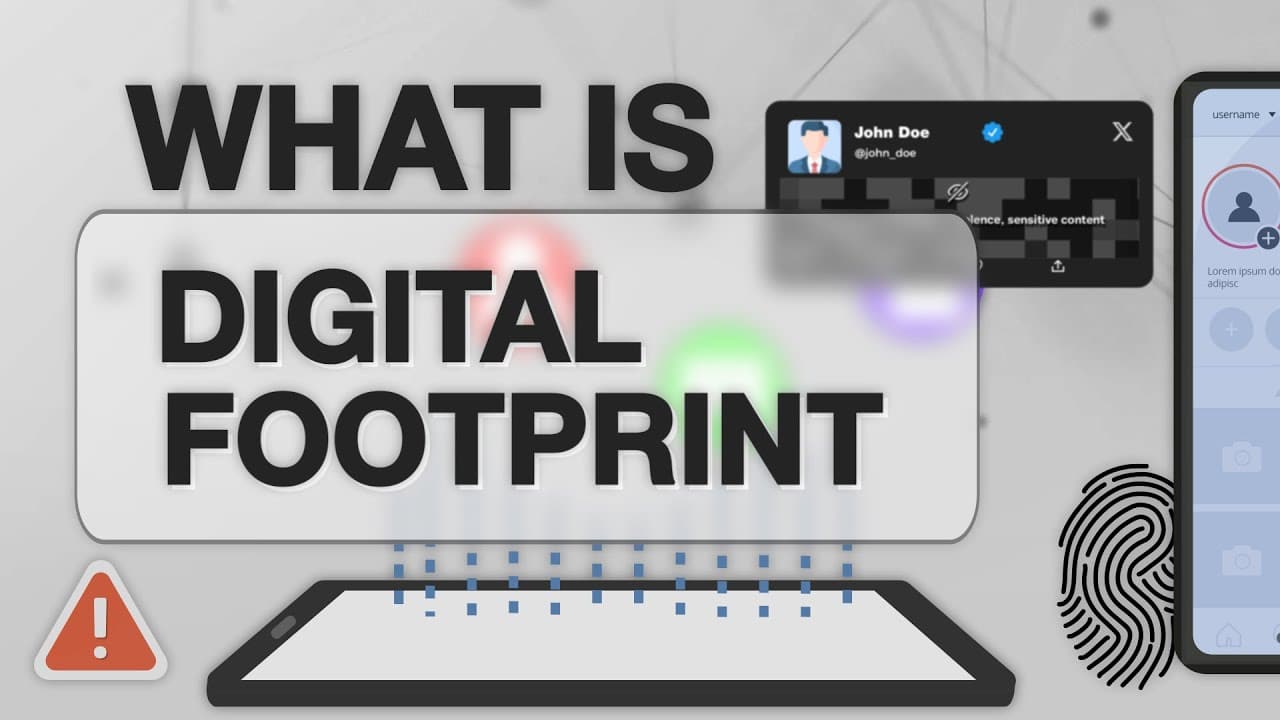
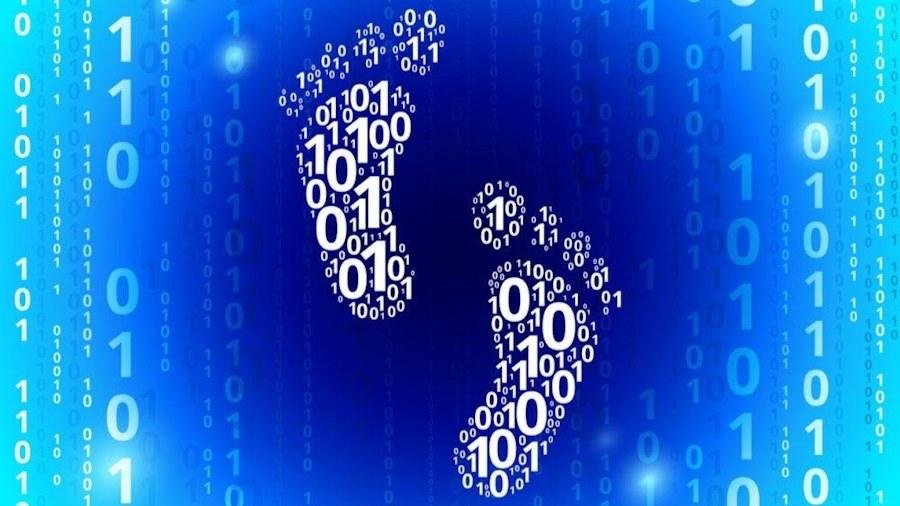
Everything you do online creates a digital footprint. This includes:
- Websites visited
- Files downloaded
- Emails sent
- Online purchases
- Social media activity
- Cloud storage usage
Many users underestimate how much information their devices retain. Practicing responsible digital behavior helps protect both personal privacy and organizational security.
Lansotech Solutions,
Call/WhatsApp 0791-833-529 Start WhatsApp Chat>>
Visit us: Portal Place House, at the Muindi Mbingu/Banda Street Junction, 2nd Floor Shop 207,
website Click Here>>







 ASUS
ASUS